
Executive Courses
Upskilling Your Workforce through TDSI’s Executive Courses
TDSI’s Executive Courses under its Continuing Education arm look at domain-specific disciplines in systems thinking and systems engineering, as well as any in-trend/ emerging technologies, to upskill the Singapore defence workforce in line with the nation’s advocacy for lifelong learning. Embracing the digital transformation landscape today, participants will benefit from these courses, learning from subject matter experts from the defence technology community and/or academic institutions, on valuable topical knowledge and skillsets to manage real-world applications. This allows course participants to strengthen their capabilities and value-add to their employing organisations.
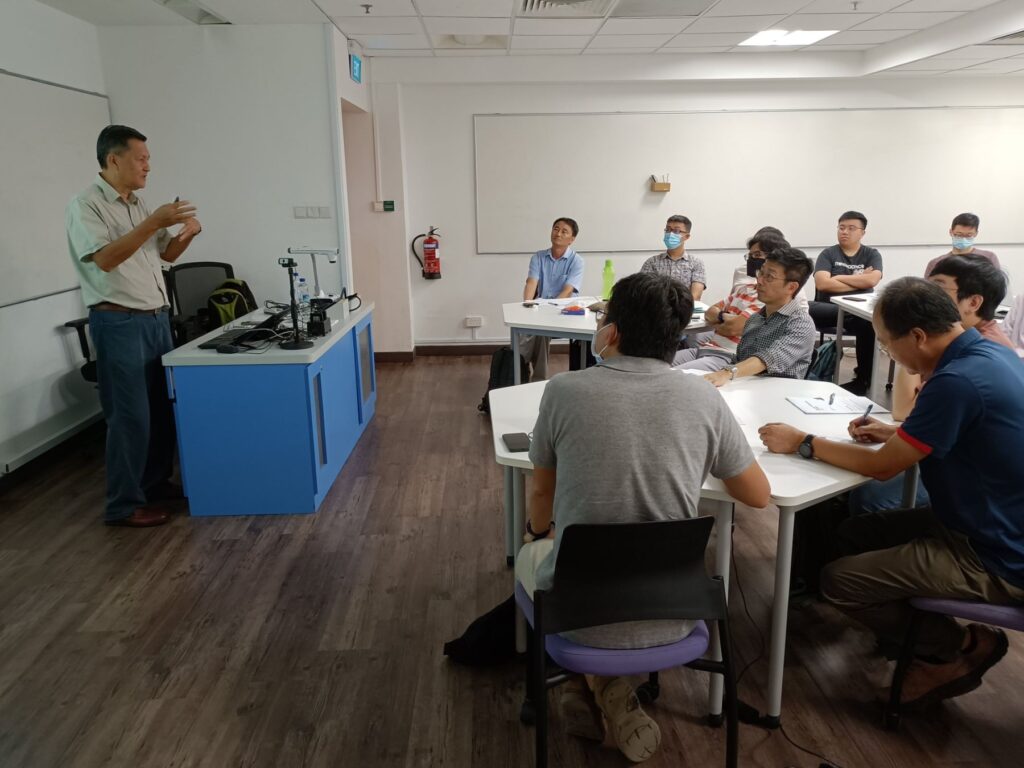
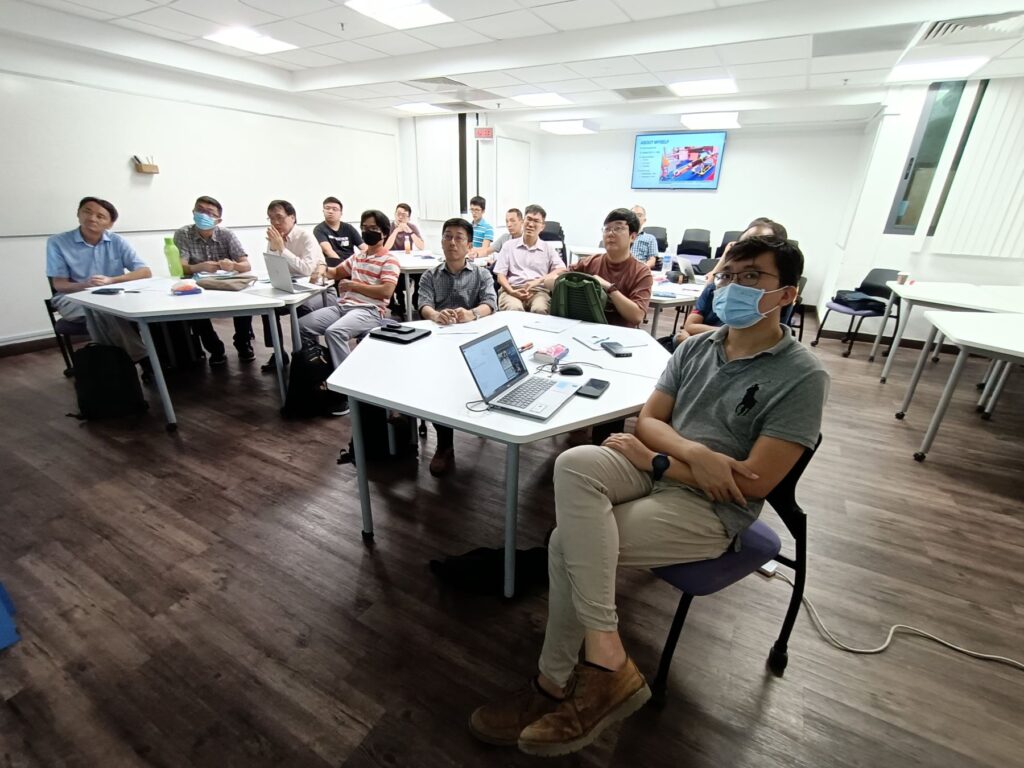
TDSI’s Executive Course “Military Navigation Systems Workshop” for Singapore’s Defence Technology Sector
Given the critical importance of navigation in modern military systems and operations that leverages on smart technologies, access to reliable navigation data is imperative while denying them to adversaries during military operations. The executive course on “Military Navigation Systems Workshop” aims to highlight the vulnerabilities in military navigation systems under different deployment scenarios, and share potential corresponding counter-measures. Participants from the defence technology community were appreciative of the knowledge gained from the workshop and acknowledged that the learning was highly relevant and impactful to their current field jobs/ projects. This workshop is well-recognised by the Professional Engineers Board and qualified for 6 Professional Development Units.
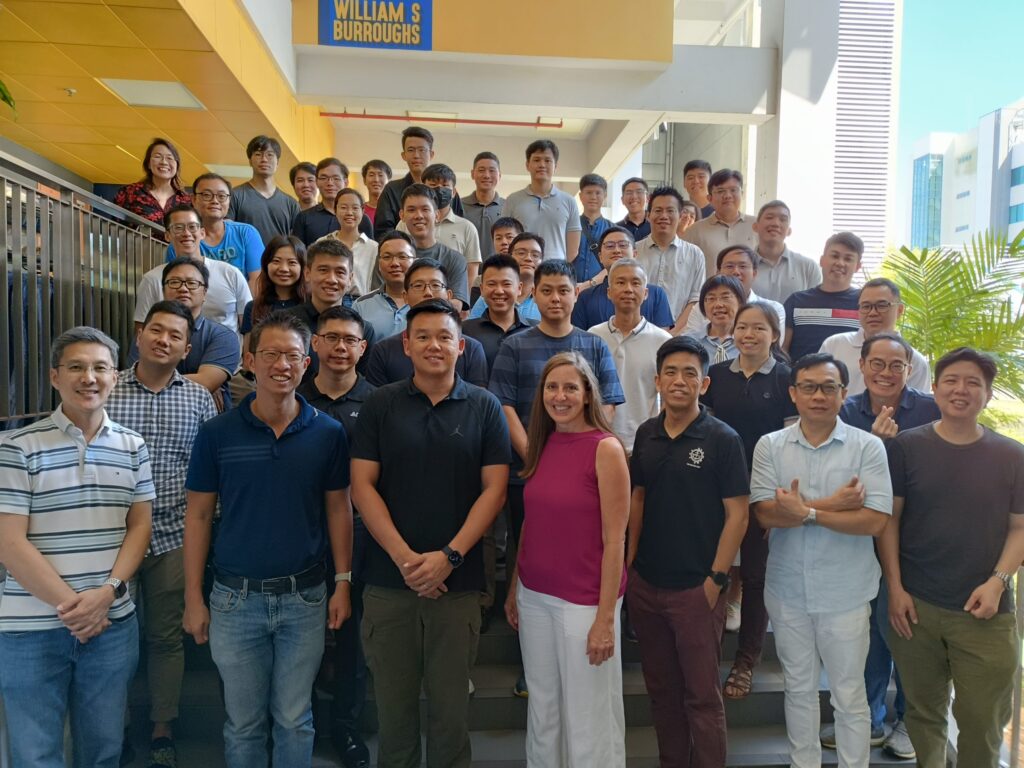
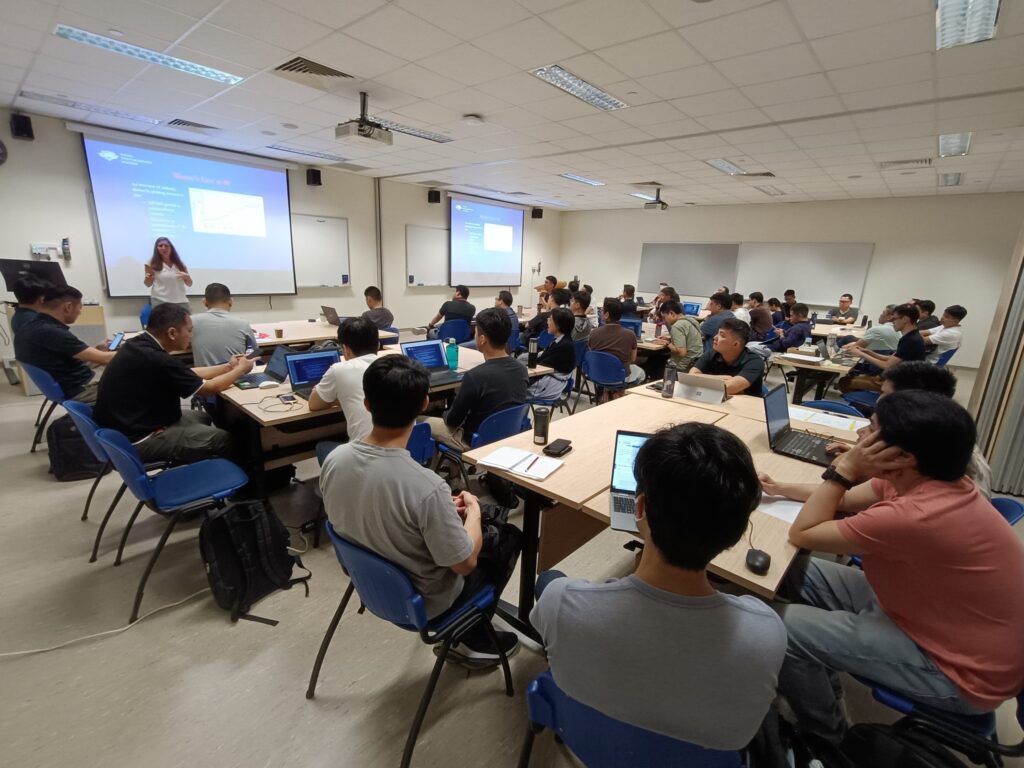
TDSI’s Executive Course “Systems Engineering and Analysis of Emerging Advanced Technologies for Defence Applications”
It is important for the Singapore defence forces to be at the frontier and be knowledgeable about emerging technologies for defence applications. The executive course on “Systems Engineering and Analysis of Emerging Advanced Technologies for Defence Applications” aims to present concepts and methods for engineering and analysing emerging advanced technologies, that include artificial intelligence and directed energy weapons, for defence applications. Course participants from the defence technology community have learnt and gained insights from the course that introduced concepts in complexity theory, strategic thinking, technology assessment, systems engineering and systems analysis. Course participants were appreciative that the learning gained have value-added to their current work with their primary affiliated organisations in the defence eco-system.
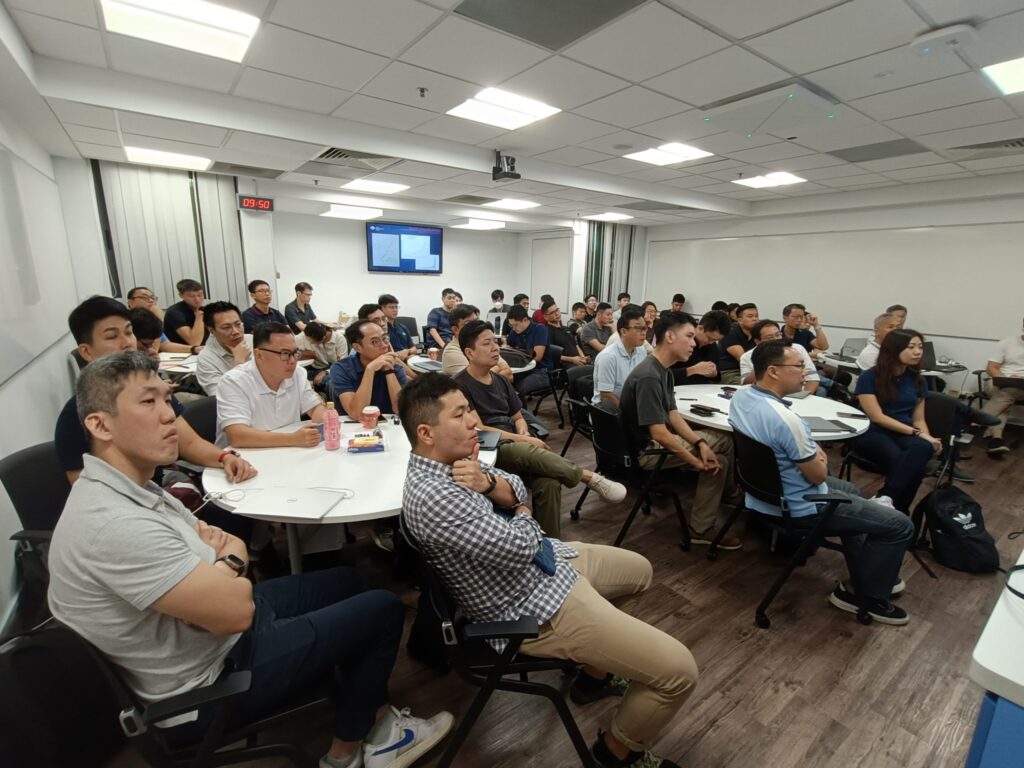
TDSI’s Executive Course “Generative Artificial Intelligence”
Artificial Intelligence (AI) technologies have been widely adopted in operations and work processes/ systems at the national level and in various industries. Generative AI is the latest cutting-edge technology that has been launched to extreme popularity, with progressive adoption by enterprises and industries because of its capabilities that can boost productivity and value-add decision-making, alongside many other deployment opportunities. Recognising the increasing importance of Generative AI for the defence sector, TDSI organised the executive course on this in-trend technology for the Singapore defence technology community to equip them with the fundamental knowledge of key concepts and applications of Generative AI, included algorithms such as generative adversarial networks (GANs) and variational autoencoders (VAEs). Course participants learnt how Generative AI could enhance military operations, from synthetic training data generation to scenario planning and decision support systems. This course is well-recognised by the Professional Engineers Board and qualified for 12 Professional Development Units.
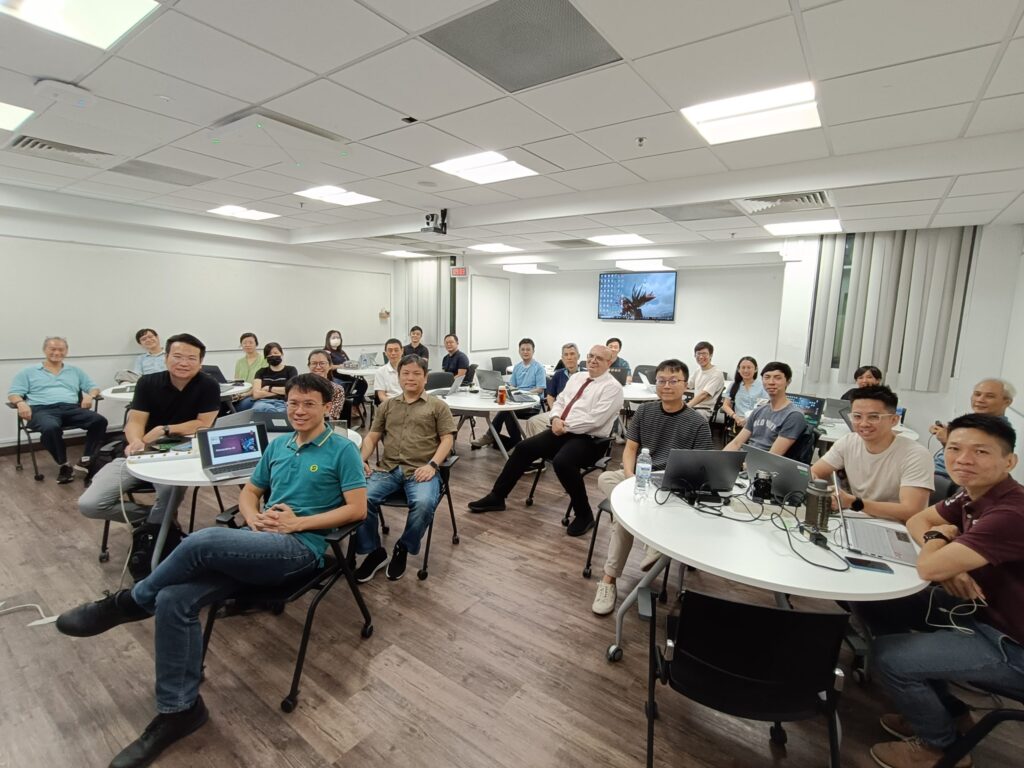
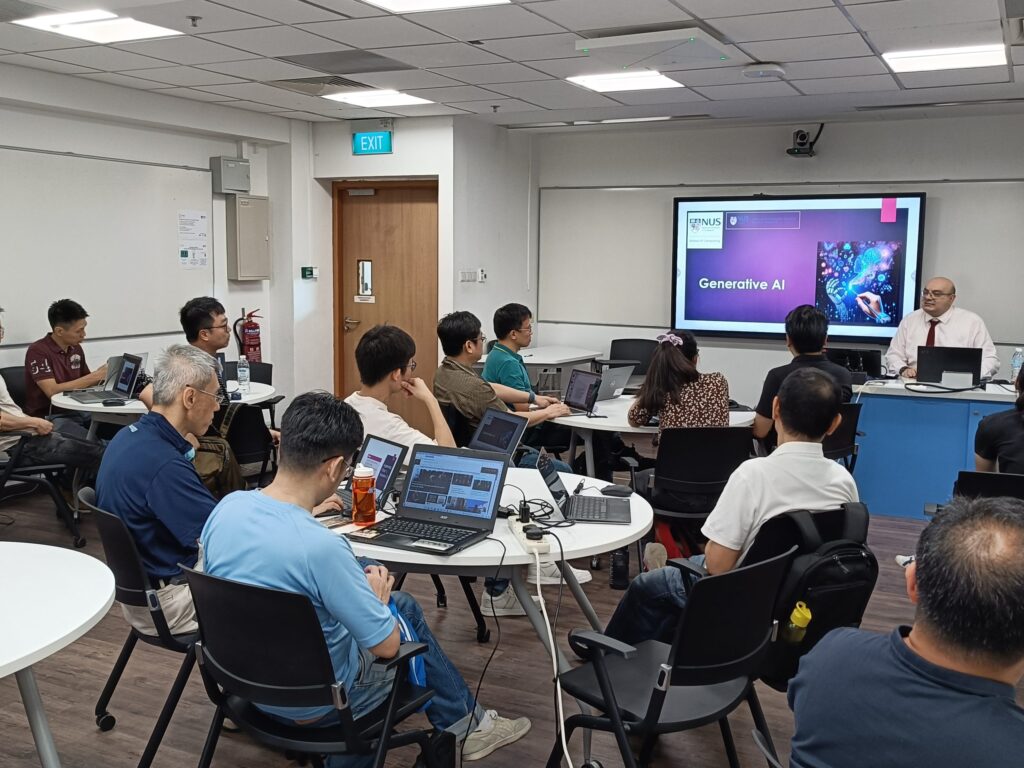
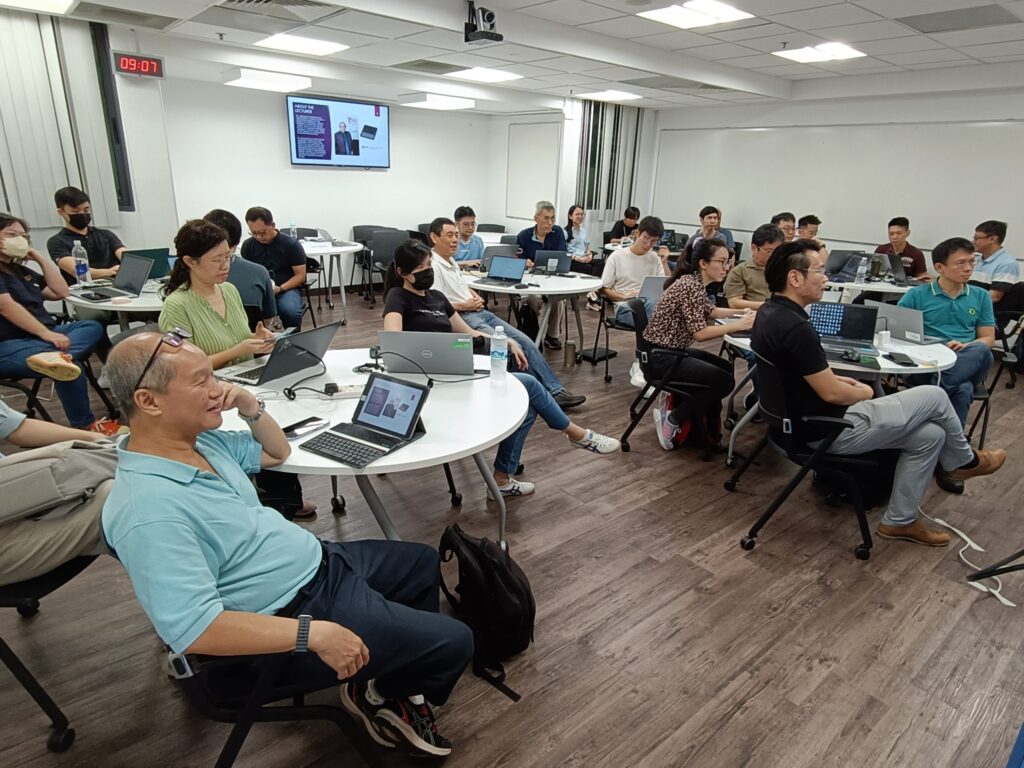
TDSI’s Executive Course “Swarm Intelligence and AI-Driven Unmanned Aerial Systems”
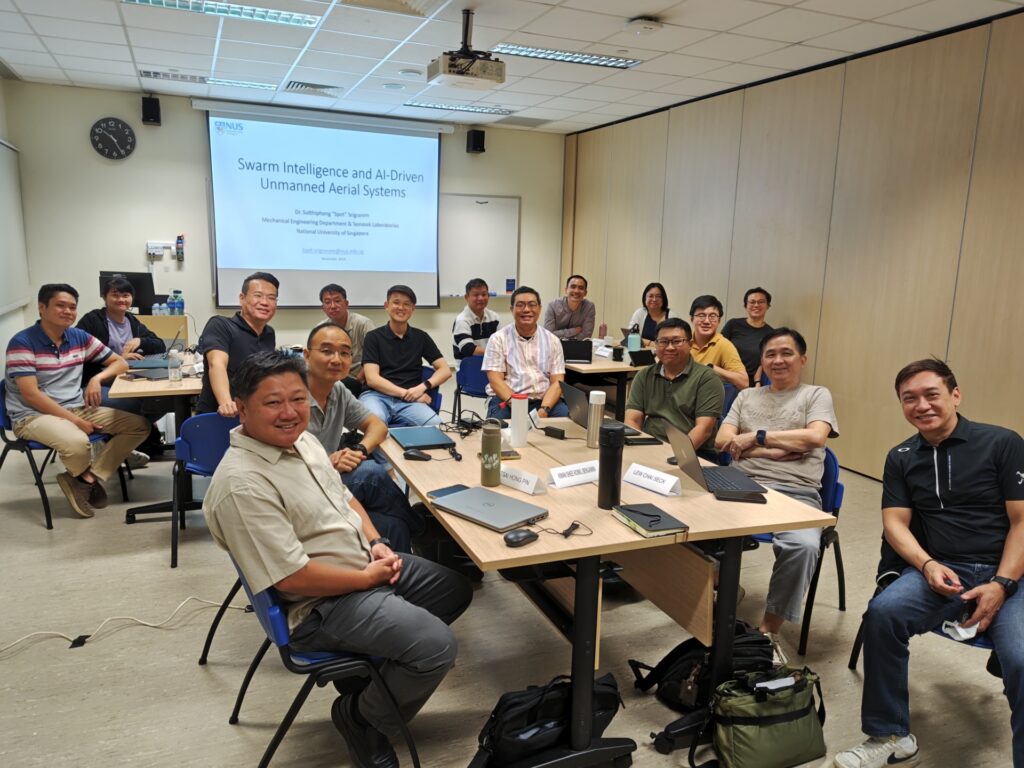
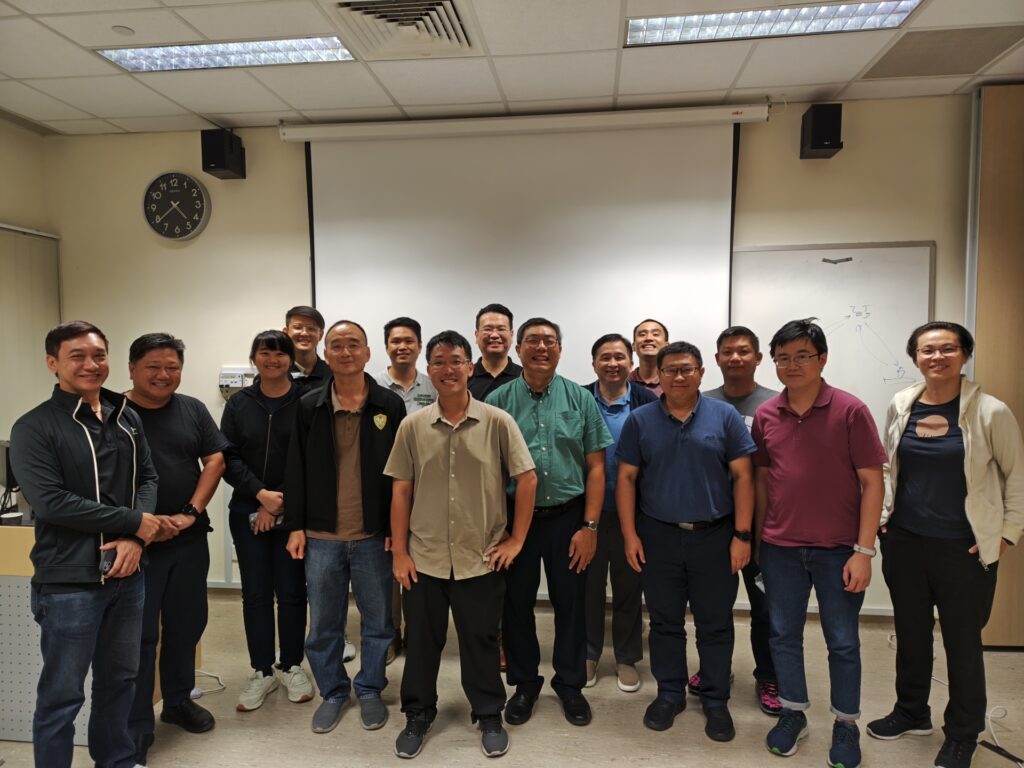
Swarm intelligence has become increasingly important for the defence community to learn as the technology is reshaping how autonomous systems operate in complex and contested environments. It is strategically important for the defence professionals to understand swarm intelligence technology to gain operational advantage, and with technology readiness, to ensure resilience and shape the future of warfare. Swarm intelligence is also a dual-use technology that could be applied from search-and-rescue and disaster response to maritime surveillance, making it essential for multi-domain operations. This 3-day intermediate-level course of TDSI focused on the fundamental and advanced concepts of multi-agent autonomous systems in the context of aerial swarms, specifically on the latest state-of-the art and practical applications. The course also provided a comprehensive overview of robotics and multi-agent systems, swarm formation, communications, task scheduling and allocations, swarm operations, as well as applications for heterogeneous systems and an introduction to game theory.
TDSI’s Executive Course “Autonomous Mobile Robotics: Foundations, Challenges and Opportunities”
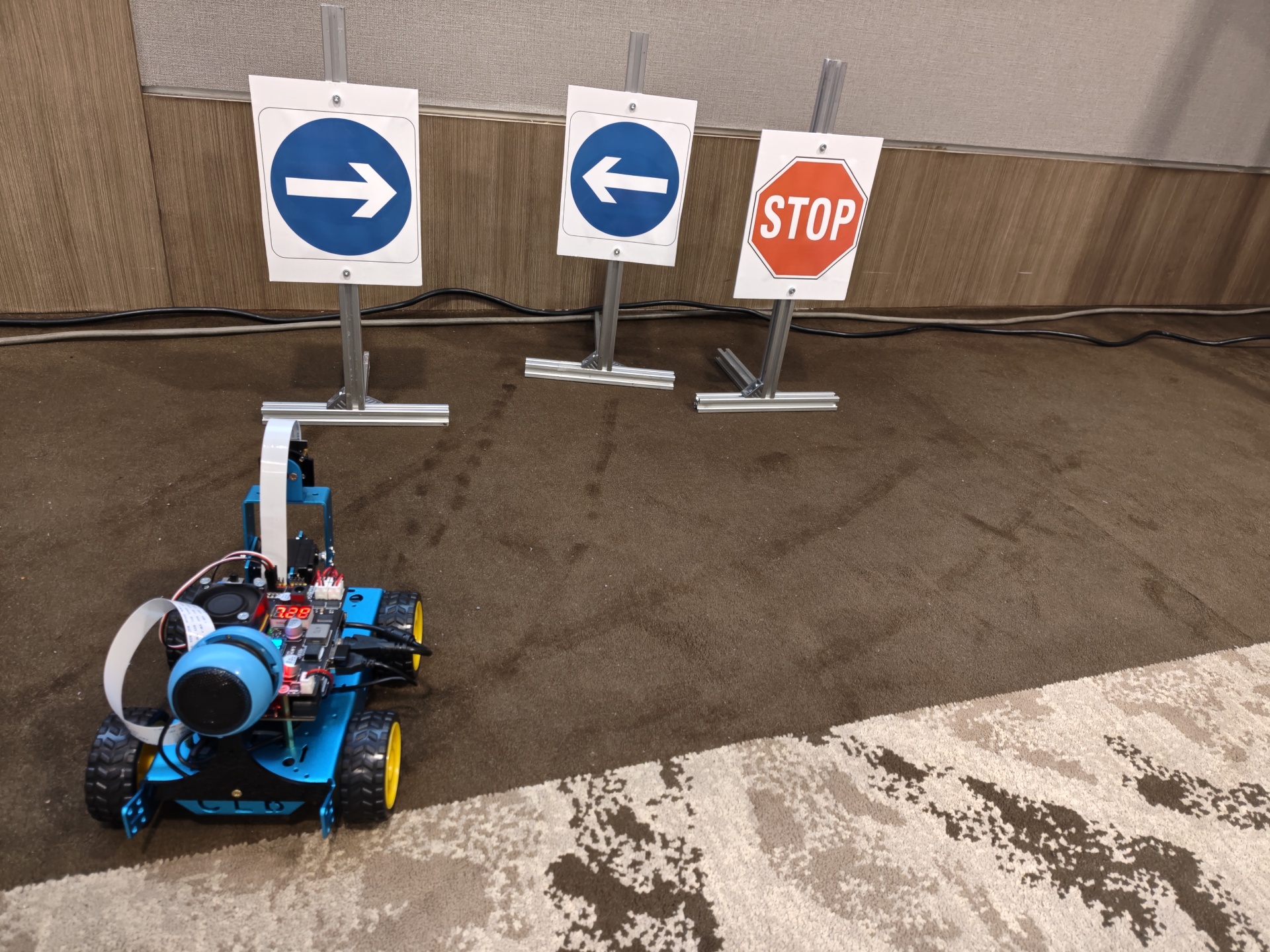
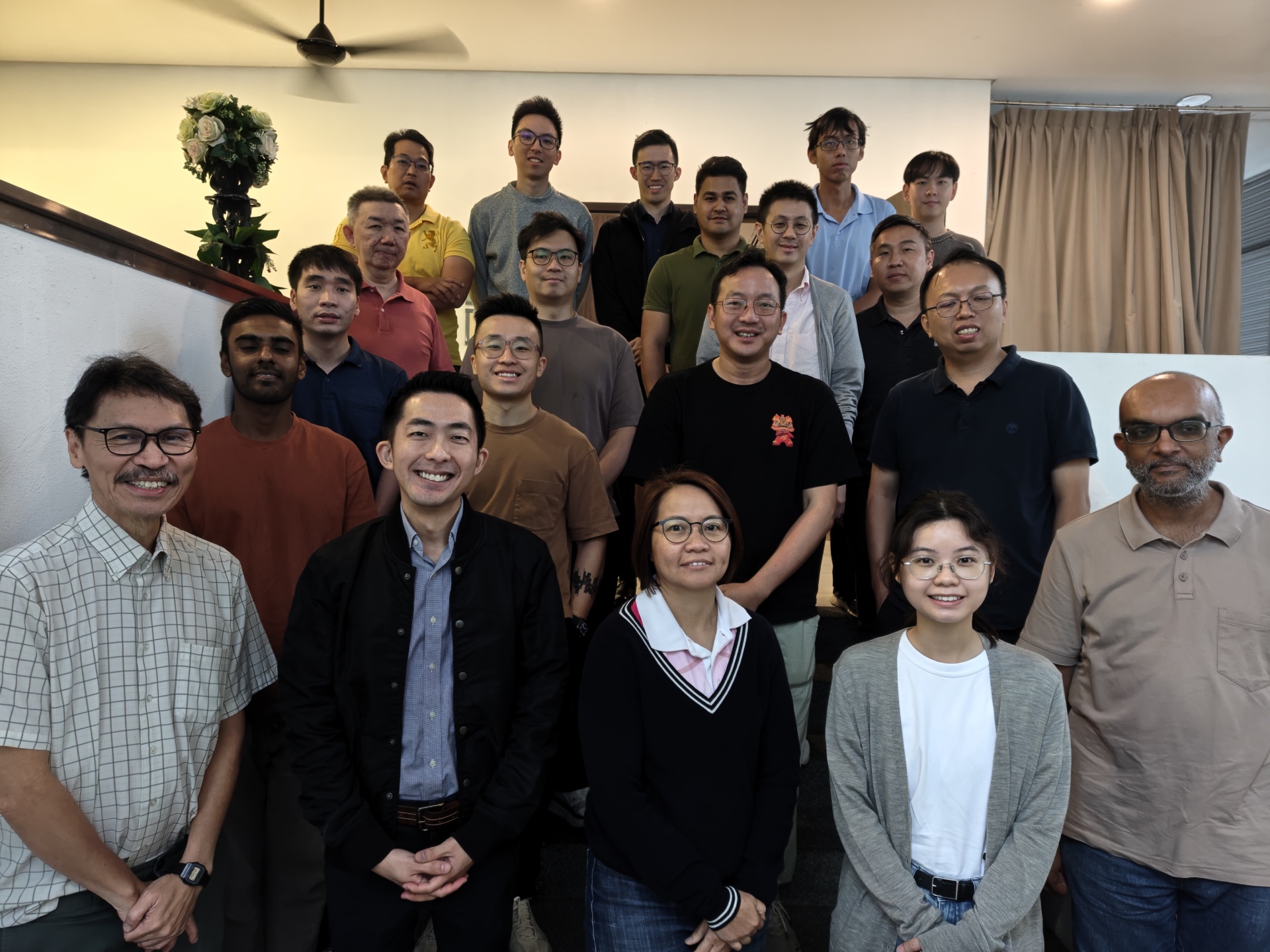
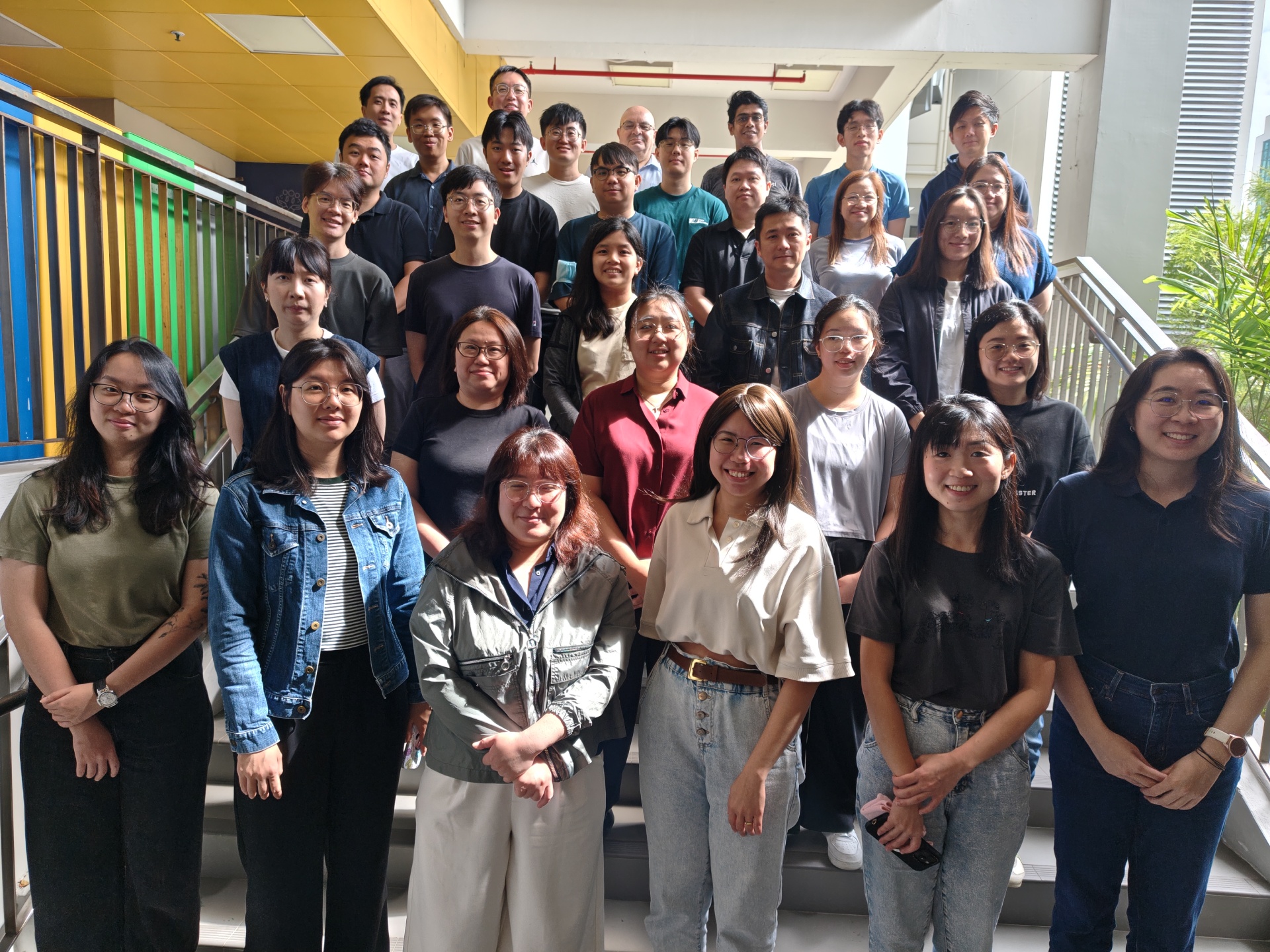
Autonomous mobile robotics is rapidly reshaping how defence and government agencies operate. TDSI’s executive course on “Autonomous Mobile Robotics: Foundations, Challenges and Opportunities” conducted for two runs on 31 March to 2 April and 7 to 9 April 2026 aimed to cover the different technological and foundational aspects of mobile robotics and manipulation, and artificial intelligence towards increased autonomy, including sensing, localization and mapping, navigation, and obstacle avoidance. The latest development of autonomous mobile robotics using artificial intelligence with focus on machine learning was presented alongside challenges and opportunities to showcase the future of robotics and its impact to course participants. The experiential workshop included in the course allowed course participants to experiment building a mini mobile robot with intelligence to apply the knowledge and skillsets learnt from the course, which they could bring it home to continue honing their robotics knowledge post-course. By exploring both current state-of-the-art capabilities and emerging challenges, the course equipped working professionals in both defence and governmental agencies to better evaluate, integrate, and leverage autonomous systems in their roles—positioning them to drive innovation and informed decision-making in an increasingly autonomous future.
TDSI’s Executive Course “Future Proof Agentic Artificial Intelligence”
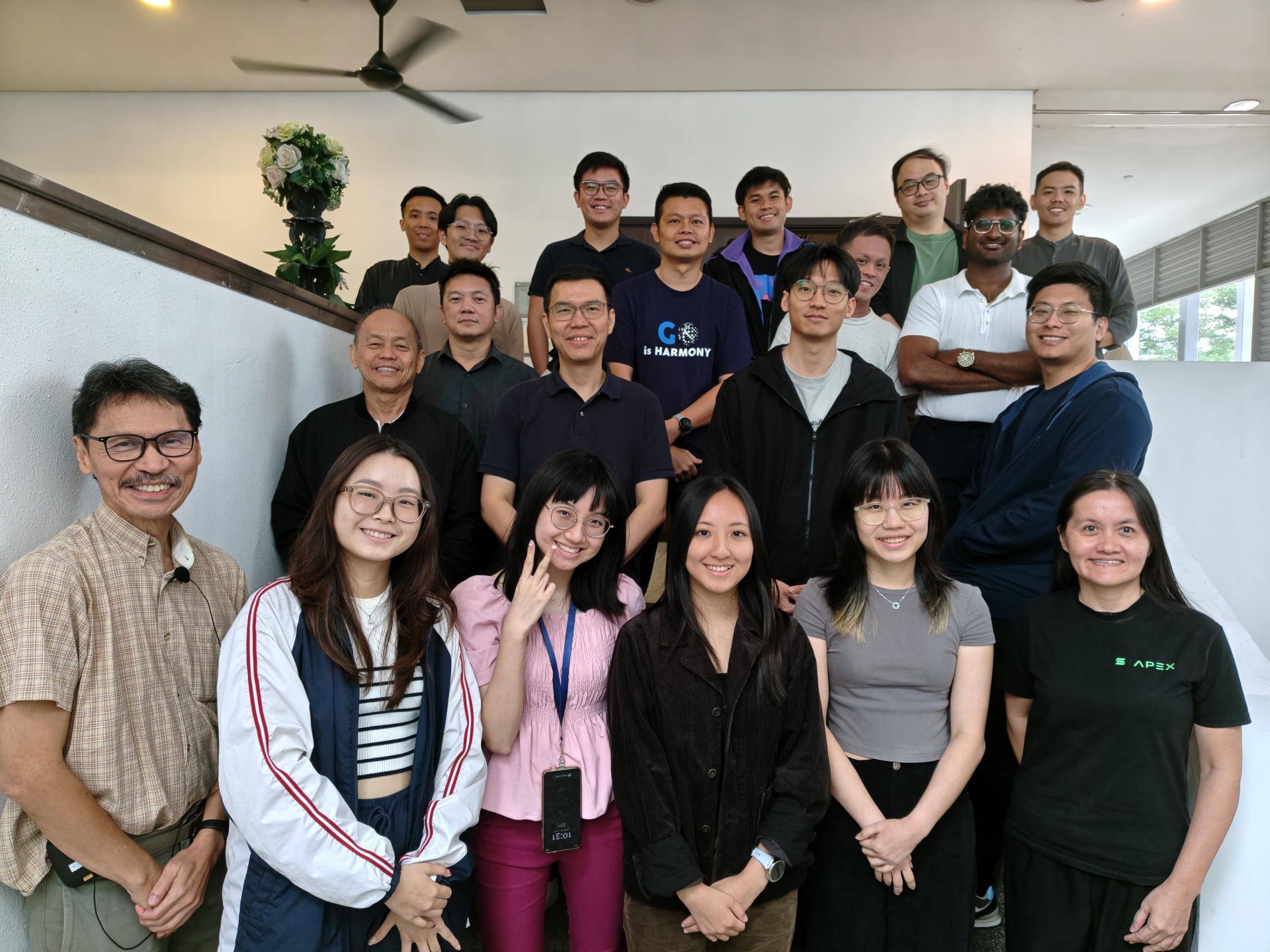
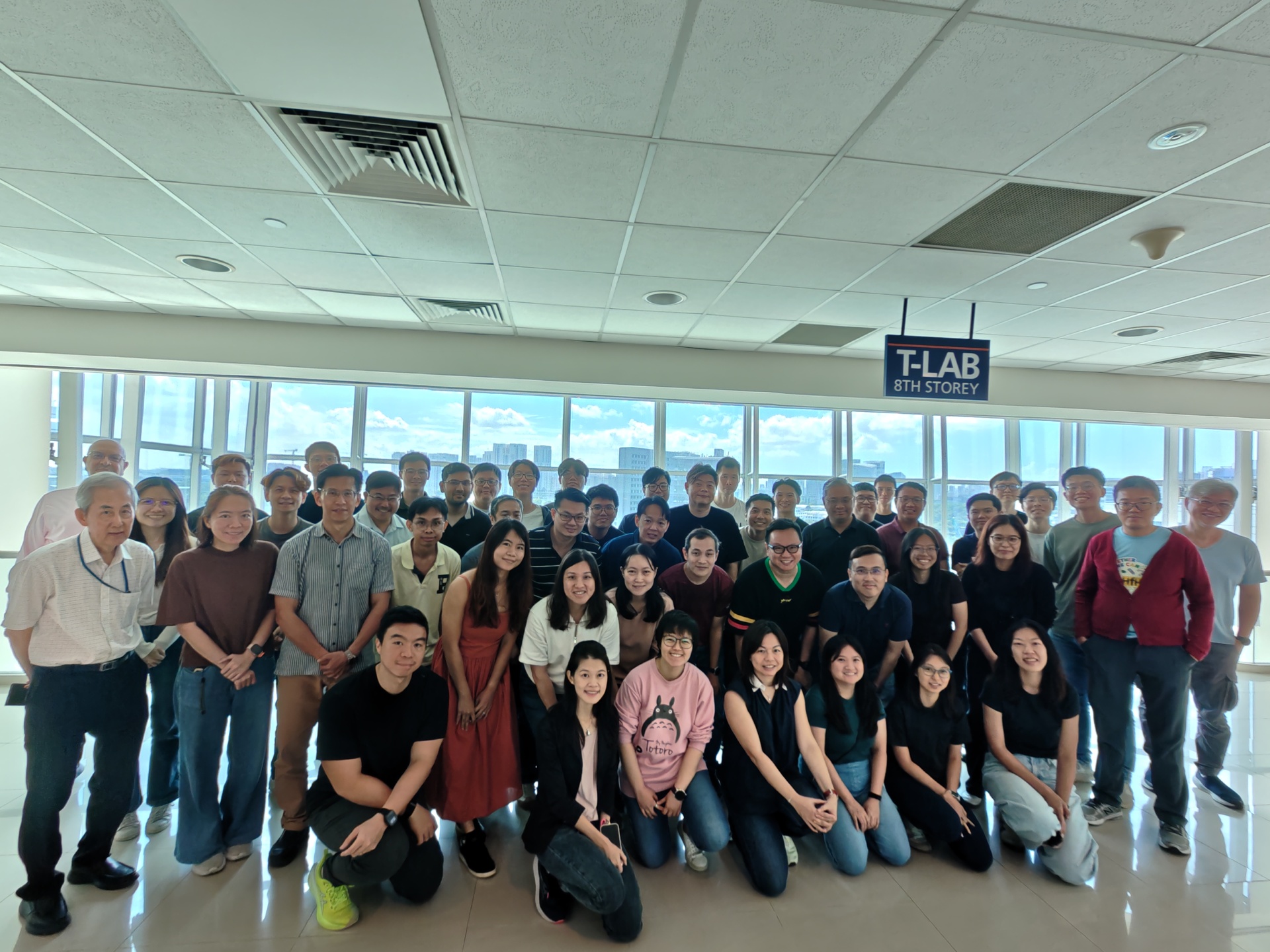
As organisations navigate an increasingly complex digital and operational landscape, learning in Agentic Artificial Intelligence (AAI) is rapidly emerging as a key trend shaping the future of intelligent automation, decision support, and mission-critical operations. TDSI executive course on “Future-Proof AAI” on 14-15 May and 19-20 May 2026 equipped course participants with the capabilities to design and orchestrate AI agents that can solve real-world challenges through autonomous workflows, tool integration, memory, and retrieval systems. Course participants gained hands-on experience in integrating agents with enterprise data sources and APIs, while applying robust practices in monitoring, evaluation, security, governance, and ethical deployment. For defence organisations and governmental agencies, these competencies are highly valuable in strengthening operational agility, enhancing situational awareness, improving decision-making efficiency, and enabling secure, responsible adoption of AI-driven systems across strategic and technical domains.

Exquisite vs Expendable:
Precision at Scale in Modern Warfare
Overview
Precision engagements are no longer defined by the accuracy of individual weapons but by a force's ability to generate, sustain, and adapt precision effects at scale across a contested battlespace. The ongoing Russo-Ukrainian and multi-front Middle East conflicts demonstrate that the decisive issue is the integration of sensors, shooters, effectors, and enablers into resilient architectures capable of functioning under attrition, electromagnetic disruption, and rapid tactical adaptation, with AI increasingly leveraged to enable autonomy and compress the sensor-to-shooter loop.
With the proliferation of technologies that affect cost and scale, the economics of modern warfare has also emerged as an important consideration in force design, capability development, mission planning, and ecosystem reshaping. This seminar will examine how these dynamics are reshaping warfare, with focus on precision weapons, drones, counter-unmanned aerial systems (C-UAS), and electronic warfare. Where do we strike the balance between exquisite and expendable precision weapons? What insights can we draw from the use of AI and the emergence of autonomy in recent conflicts? Can non-kinetic means such as high-power lasers overcome the engineering challenges needed to deliver persistent C-UAS capability and restore cost-exchange parity, even within a layered defence architecture?
Learning Outcome
Course Outline
Who Should Attend
Lorem ipsum dolor sit amet, consectetur adipiscing elit. Ut elit tellus, luctus nec ullamcorper mattis, pulvinar dapibus leo.
Speakers
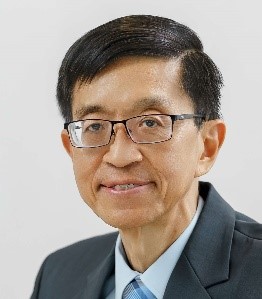
Professor Quek Tong Boon
Founder and Former Chief Executive, National Robotics Programme, Singapore
Former Chief Defence Scientist, Ministry of Defence
Quek Tong Boon has been involved with the development of technology capabilities for more than 4 decades for the defence, economic and other public sectors. As a member of the defence technology community from 1979 to 2016, he developed, seeded and catalysed key capabilities for Singapore’s defence in areas such as guided weapons, unmanned systems and micro-satellites. His appointments in defence included being the Chief Defence Scientist, Deputy Secretary (Technology and Transformation), Chief Research and Technology Officer, Chief Executive Officer of the DSO National Laboratories and Director of the Defence Materiel Organisation (forerunner of today’s Defence Science and Technology Agency).
Outside defence, his public sector involvements since 2016 include being the Founder and ex-Chief Executive of the National Robotics Programme, Chief Scientific Advisor of the Ministry of Trade and Industry, and members of various committees such as the Committee of Government Scientific Advisors, the Ministry of National Development Scientific Panel, the Aviation Transformation Advisory Council and chair of the PUB Water Technology Advisory Panel. He is currently a member of the WEF Global Future Council on Autonomous Systems.
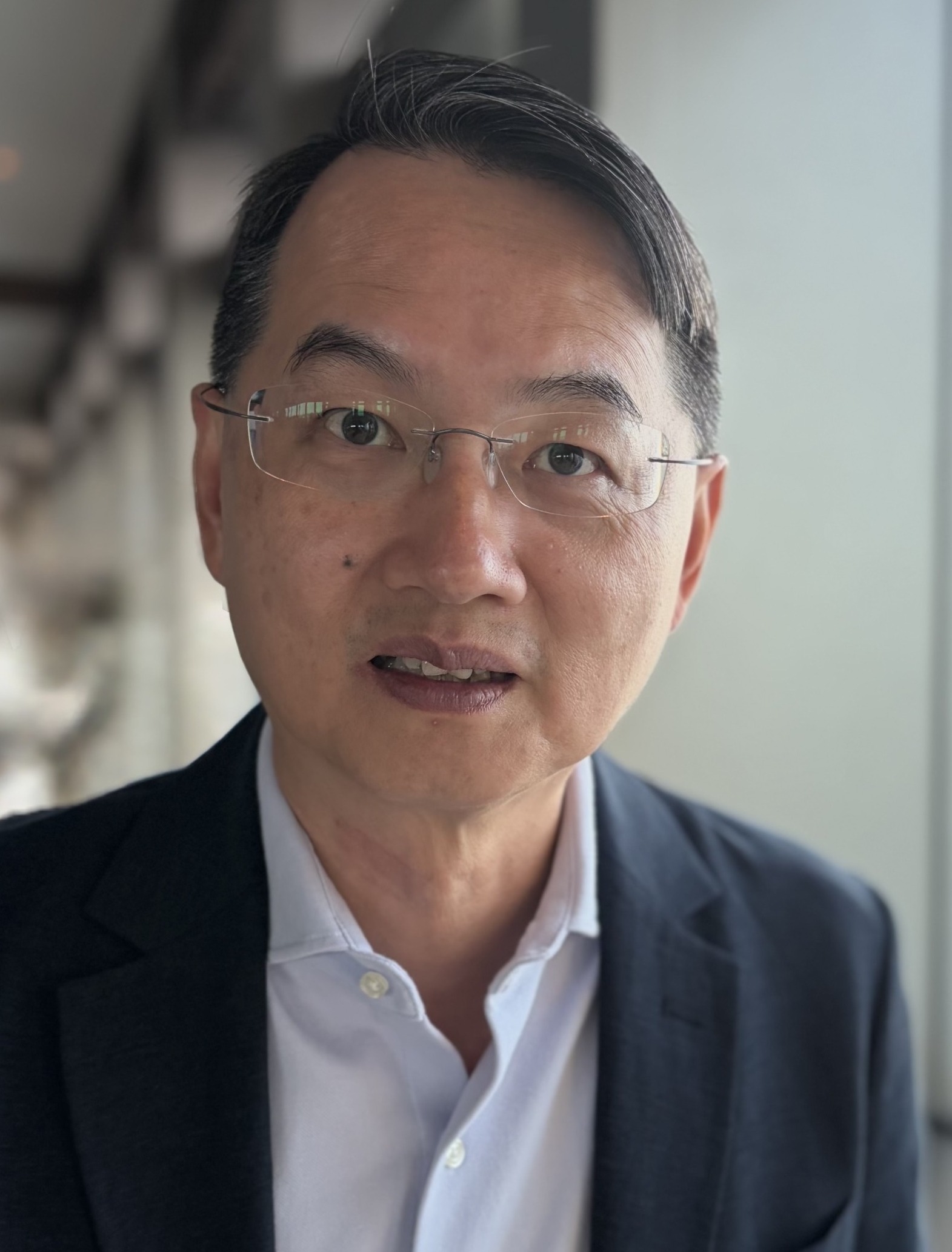
Dr Phua Poh Boon
Founder and Chief Technology Officer
LightHaus
Phua Poh Boon is a physicist cum entrepreneur. He obtained his PhD from the Massachusetts Institute of Technology (MIT) and first-class honours from National University of Singapore. Poh Boon is a serial inventor for various photonics technologies. He is also the pioneer who started the development of high-power laser in DSO National Laboratories. Poh Boon won several awards, most notably the Defence Technology Prize in 2004 (Team award) and 2008 (Individual award) and held more than 15 patents. Before he left DSO to start his business venture, he was a Distinguished Member of Technical Staff and concurrently, an Adjunct Associate Professor with the Nanyang Technological University. In 2011, he founded LightHaus Photonics and continues his inventive pursuit in optics related technologies.
Details
- 13 Aug 2026, 11:00 am - 1:00 pm
- 2 hours
- NUS College of Design & Engineering, Blk EA, Level 6, Seminar Room 06-03
Status
This event is now closed.