Executive Courses
Upskilling Your Workforce through TDSI’s Executive Courses
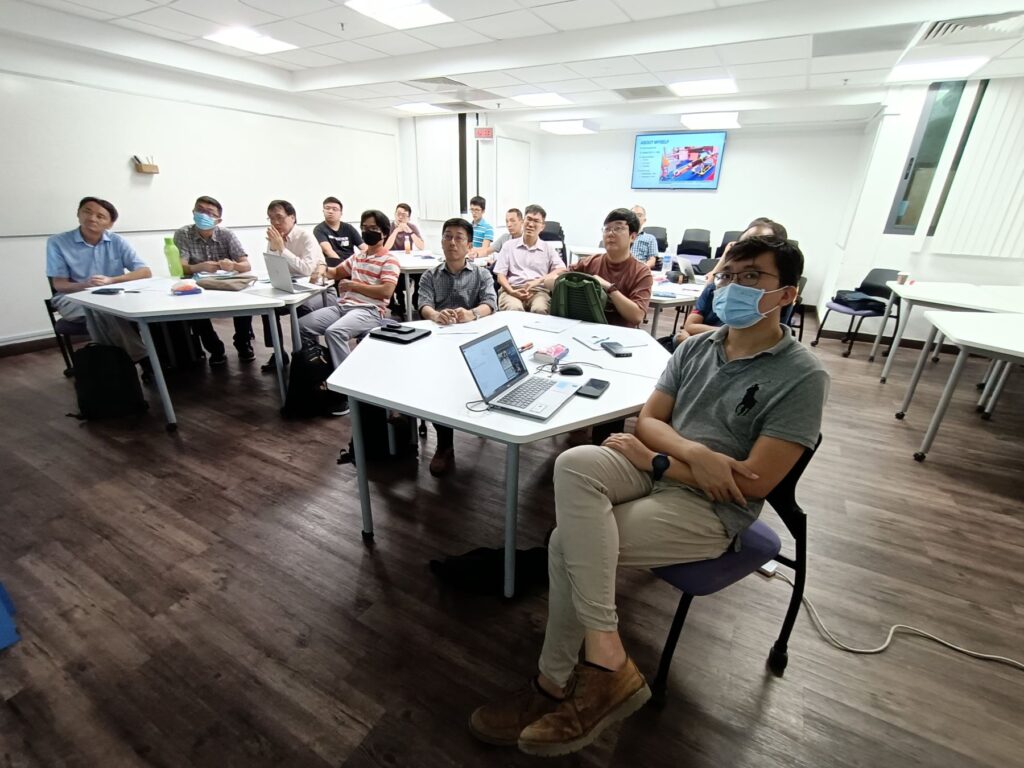
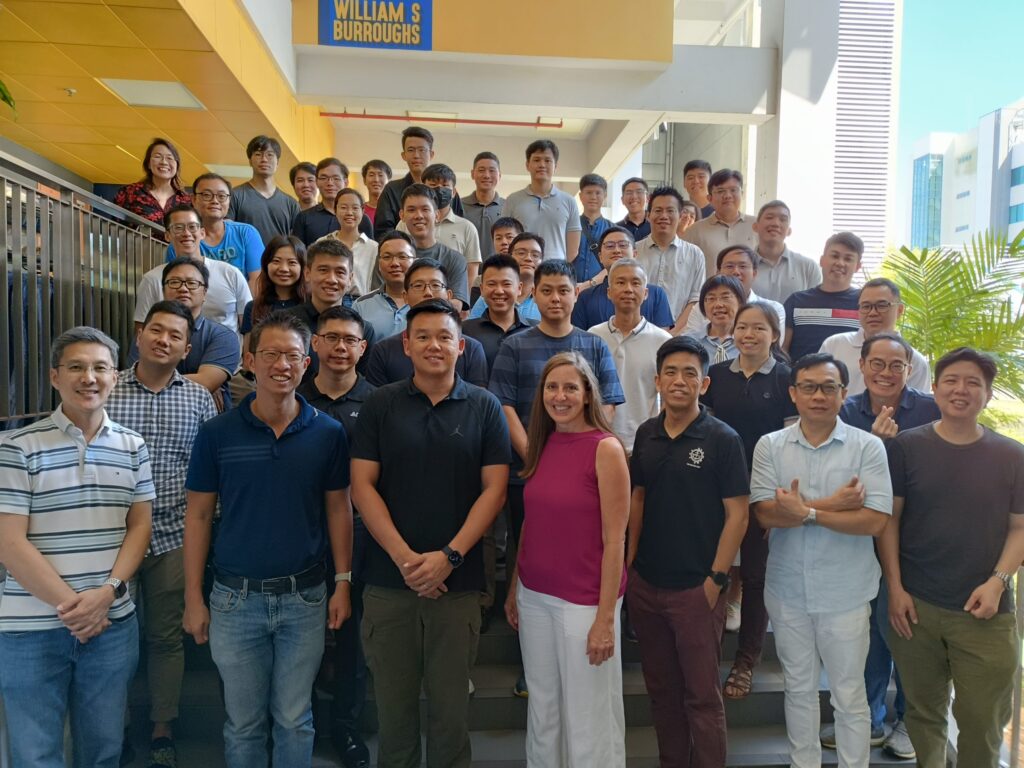
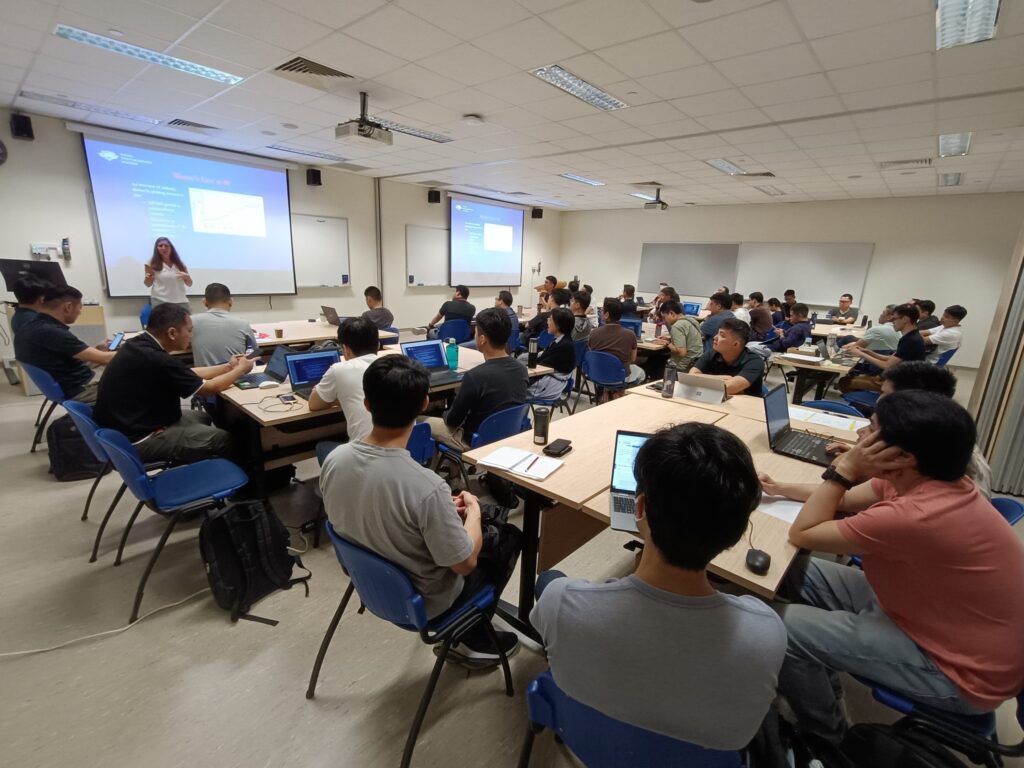
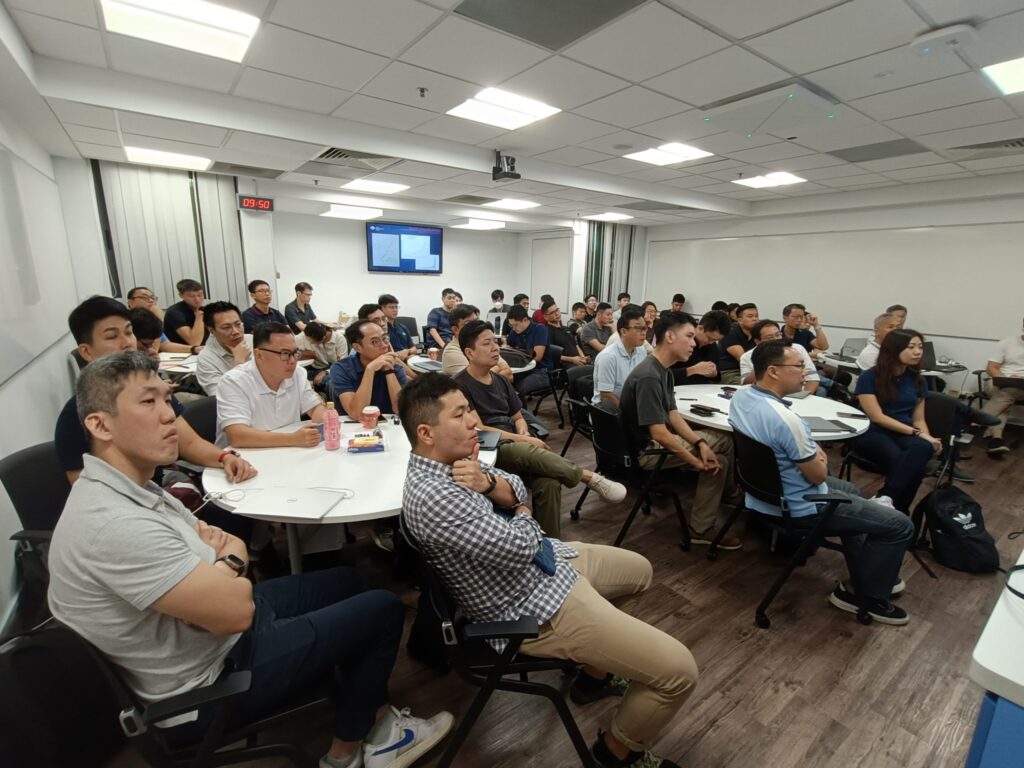
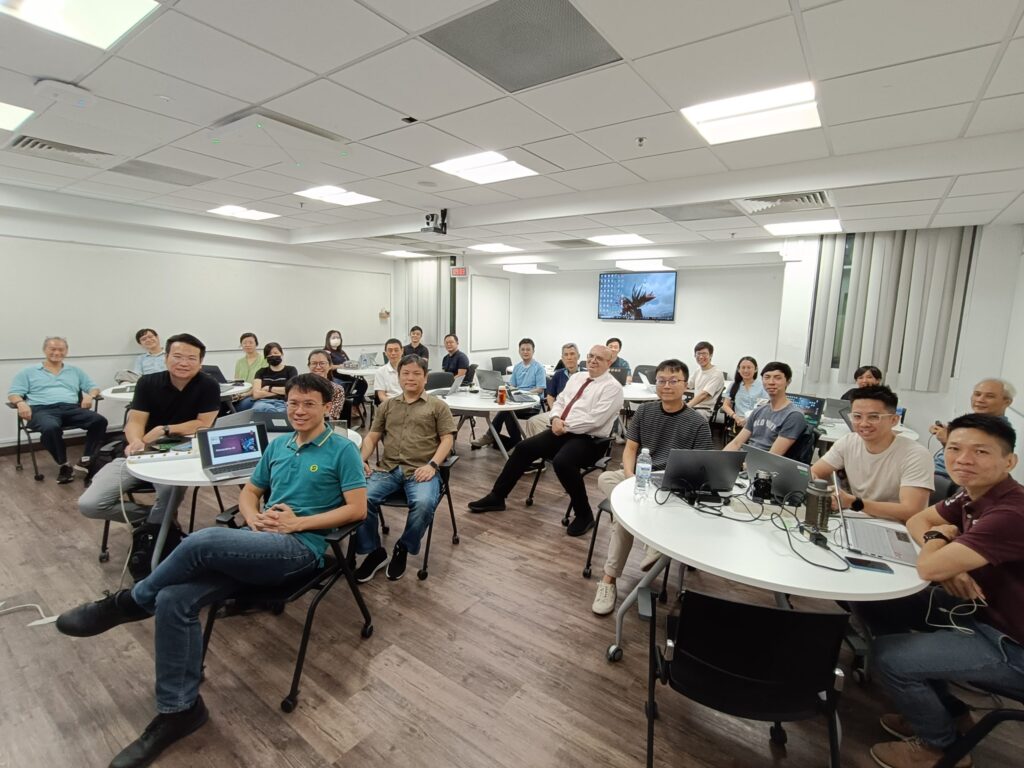
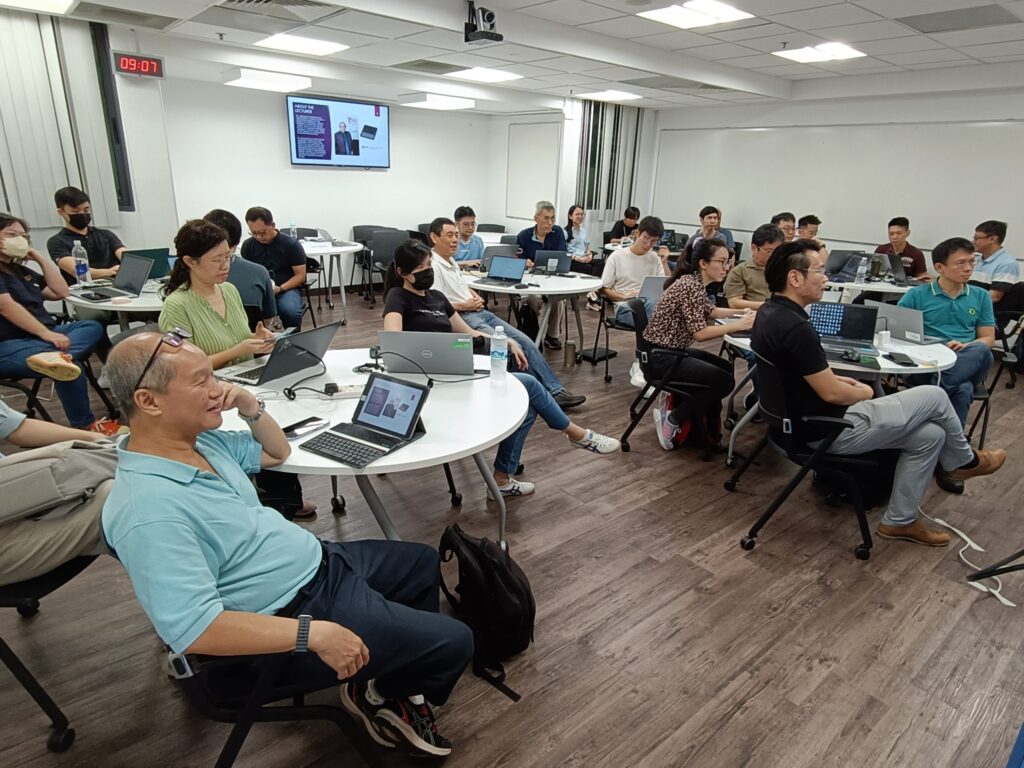
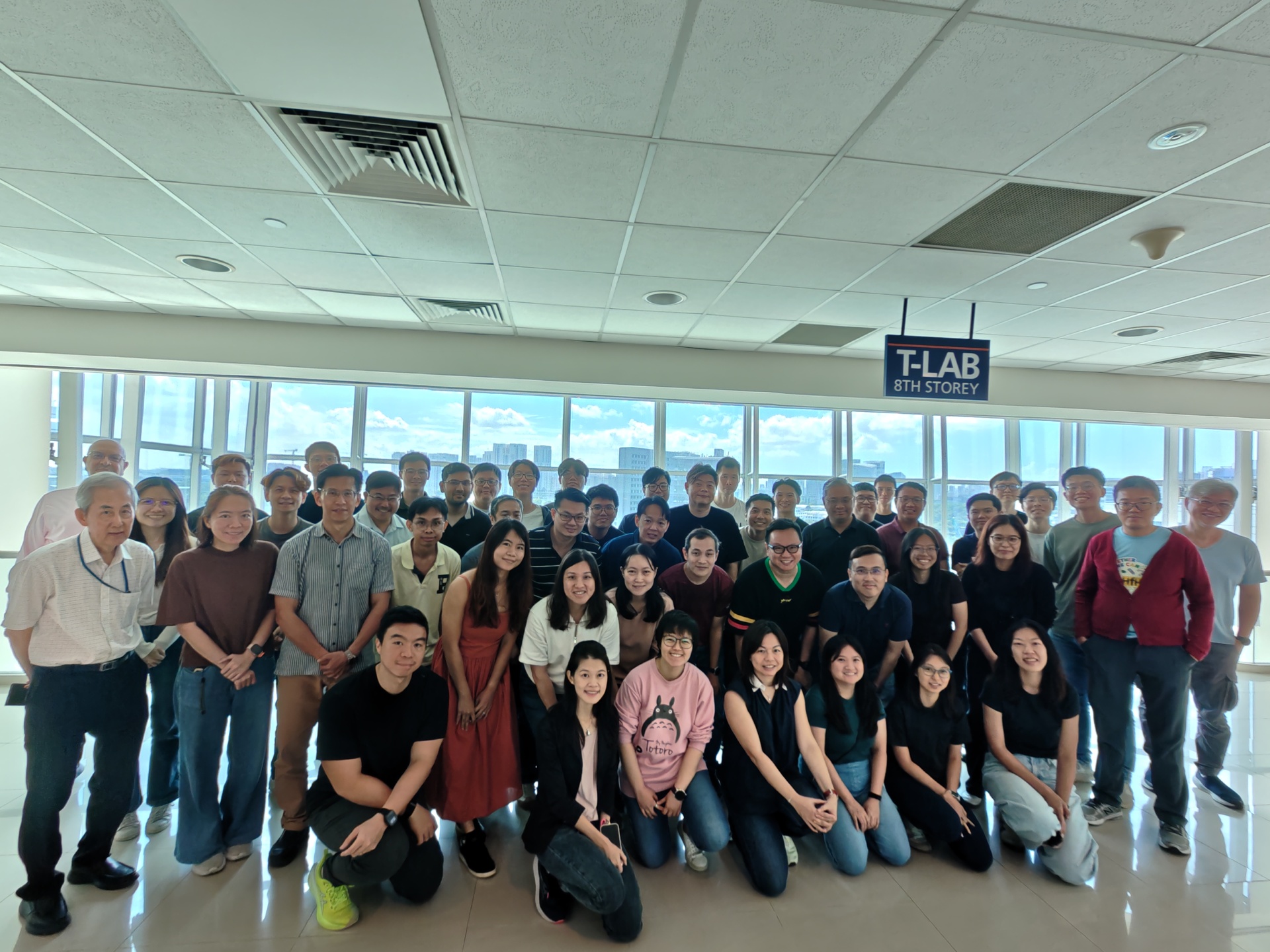
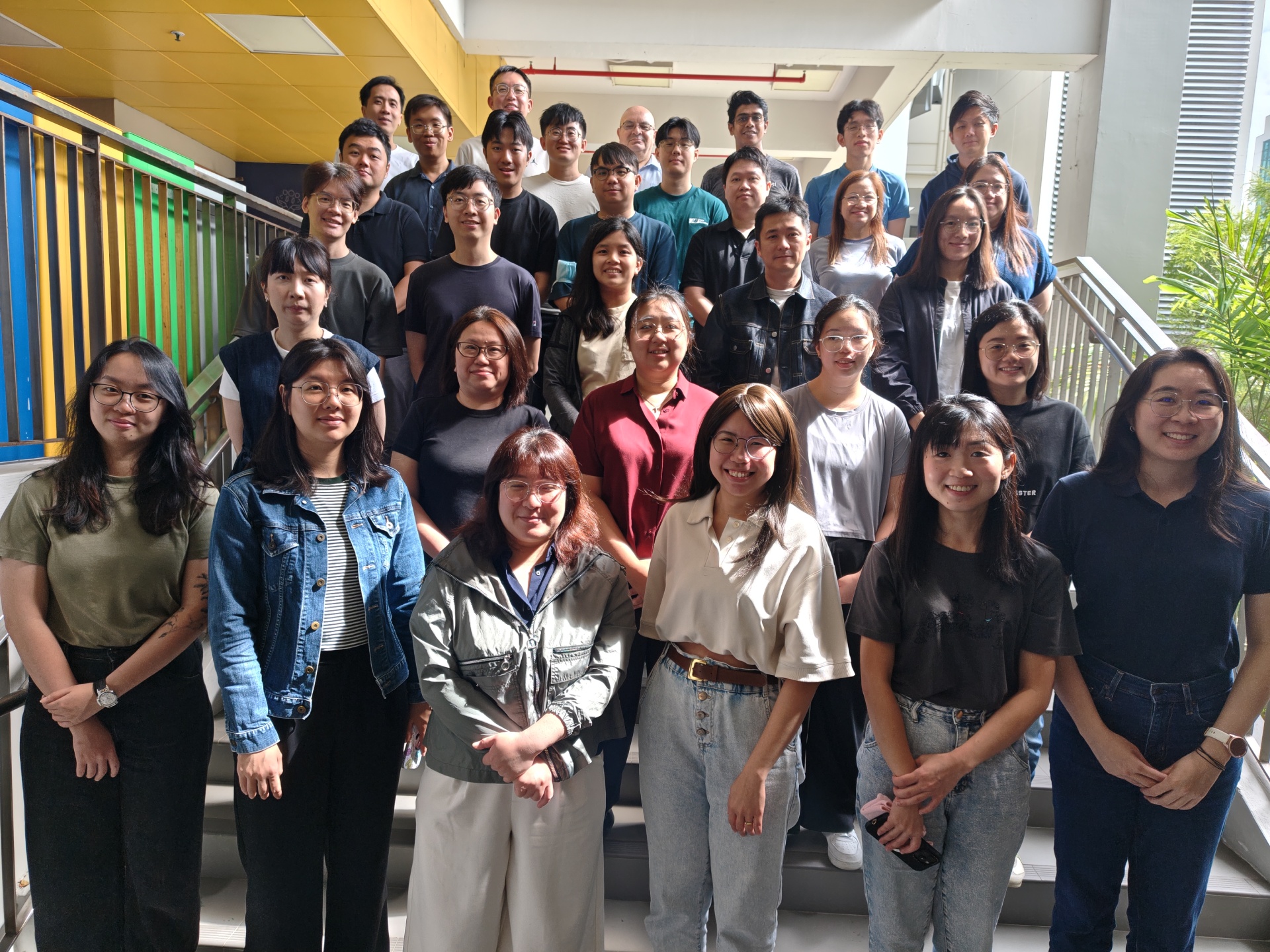
TDSI’s Executive Courses under its Continuing Education arm look at domain-specific disciplines in systems thinking and systems engineering, as well as any in-trend/ emerging technologies, to upskill the Singapore defence workforce in line with the nation’s advocacy for lifelong learning. Embracing the digital transformation landscape today, participants will benefit from these courses, learning from subject matter experts from the defence technology community and/or academic institutions, on valuable topical knowledge and skillsets to manage real-world applications. This allows course participants to strengthen their capabilities and value-add to their employing organisations.
TDSI’s Executive Course “Military Navigation Systems Workshop” for Singapore’s Defence Technology Sector
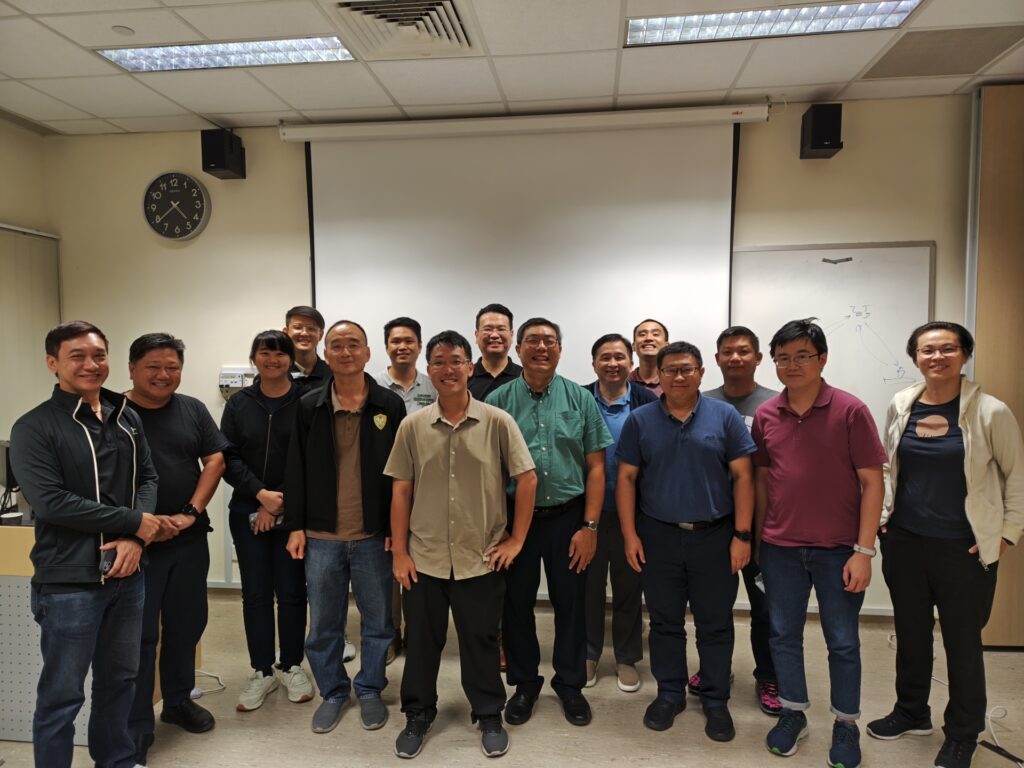
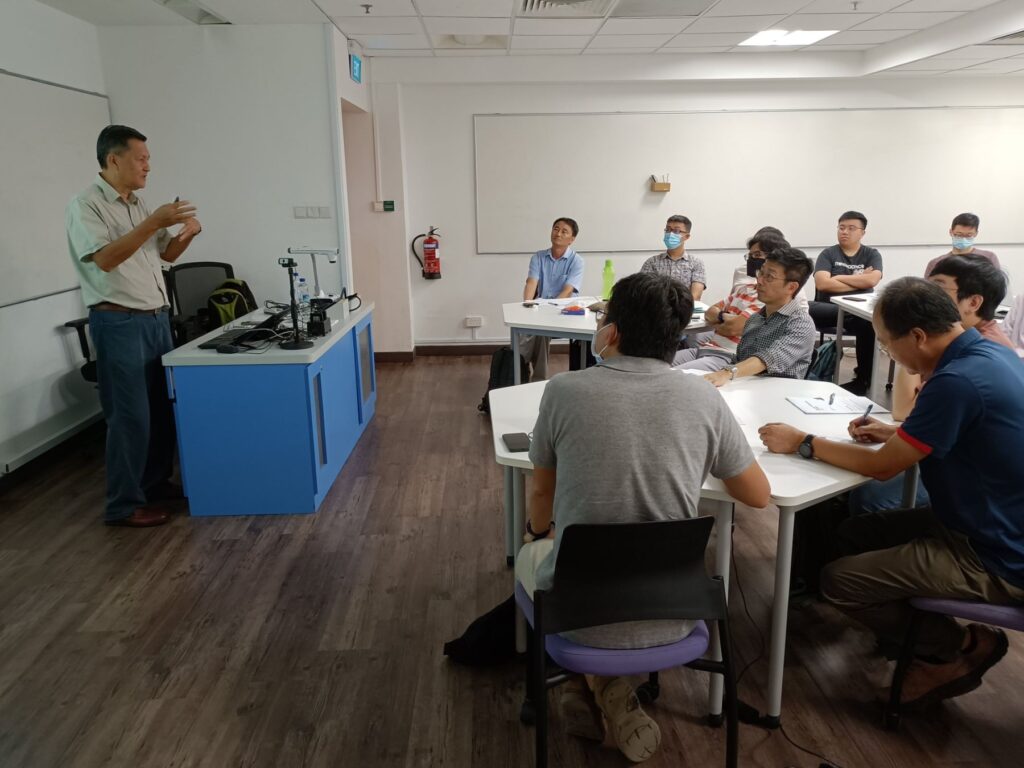
Given the critical importance of navigation in modern military systems and operations that leverages on smart technologies, access to reliable navigation data is imperative while denying them to adversaries during military operations. The executive course on “Military Navigation Systems Workshop” aims to highlight the vulnerabilities in military navigation systems under different deployment scenarios, and share potential corresponding counter-measures. Participants from the defence technology community were appreciative of the knowledge gained from the workshop and acknowledged that the learning was highly relevant and impactful to their current field jobs/ projects. This workshop is well-recognised by the Professional Engineers Board and qualified for 6 Professional Development Units.
TDSI’s Executive Course “Systems Engineering and Analysis of Emerging Advanced Technologies for Defence Applications”
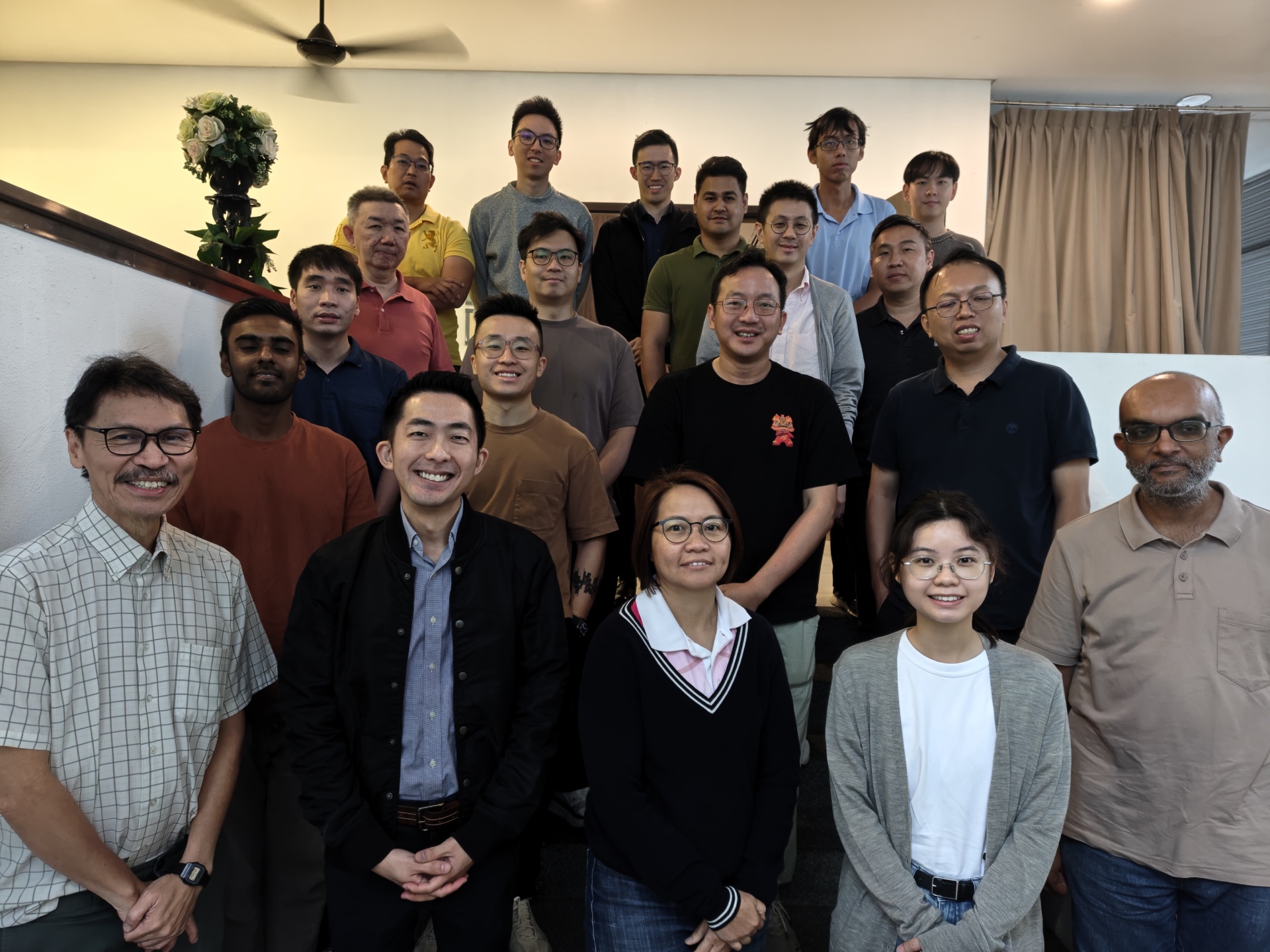
It is important for the Singapore defence forces to be at the frontier and be knowledgeable about emerging technologies for defence applications. The executive course on “Systems Engineering and Analysis of Emerging Advanced Technologies for Defence Applications” aims to present concepts and methods for engineering and analysing emerging advanced technologies, that include artificial intelligence and directed energy weapons, for defence applications. Course participants from the defence technology community have learnt and gained insights from the course that introduced concepts in complexity theory, strategic thinking, technology assessment, systems engineering and systems analysis. Course participants were appreciative that the learning gained have value-added to their current work with their primary affiliated organisations in the defence eco-system.
TDSI’s Executive Course “Generative Artificial Intelligence”
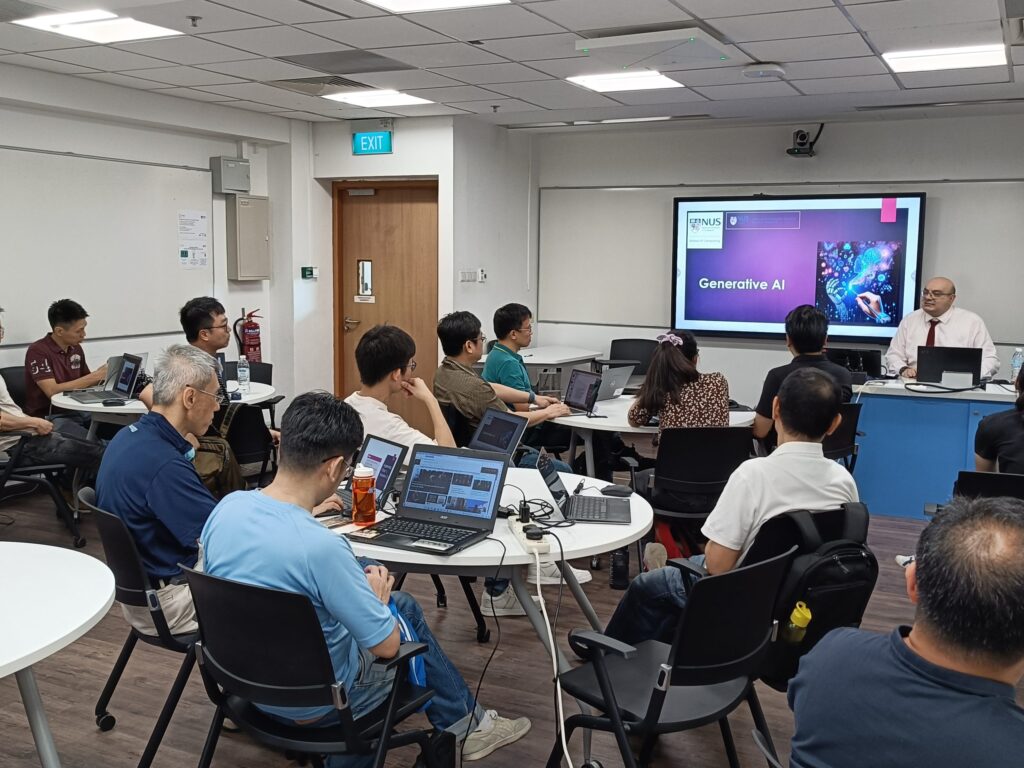
Artificial Intelligence (AI) technologies have been widely adopted in operations and work processes/ systems at the national level and in various industries. Generative AI is the latest cutting-edge technology that has been launched to extreme popularity, with progressive adoption by enterprises and industries because of its capabilities that can boost productivity and value-add decision-making, alongside many other deployment opportunities. Recognising the increasing importance of Generative AI for the defence sector, TDSI organised the executive course on this in-trend technology for the Singapore defence technology community to equip them with the fundamental knowledge of key concepts and applications of Generative AI, included algorithms such as generative adversarial networks (GANs) and variational autoencoders (VAEs). Course participants learnt how Generative AI could enhance military operations, from synthetic training data generation to scenario planning and decision support systems. This course is well-recognised by the Professional Engineers Board and qualified for 12 Professional Development Units.
TDSI’s Executive Course “Swarm Intelligence and AI-Driven Unmanned Aerial Systems”
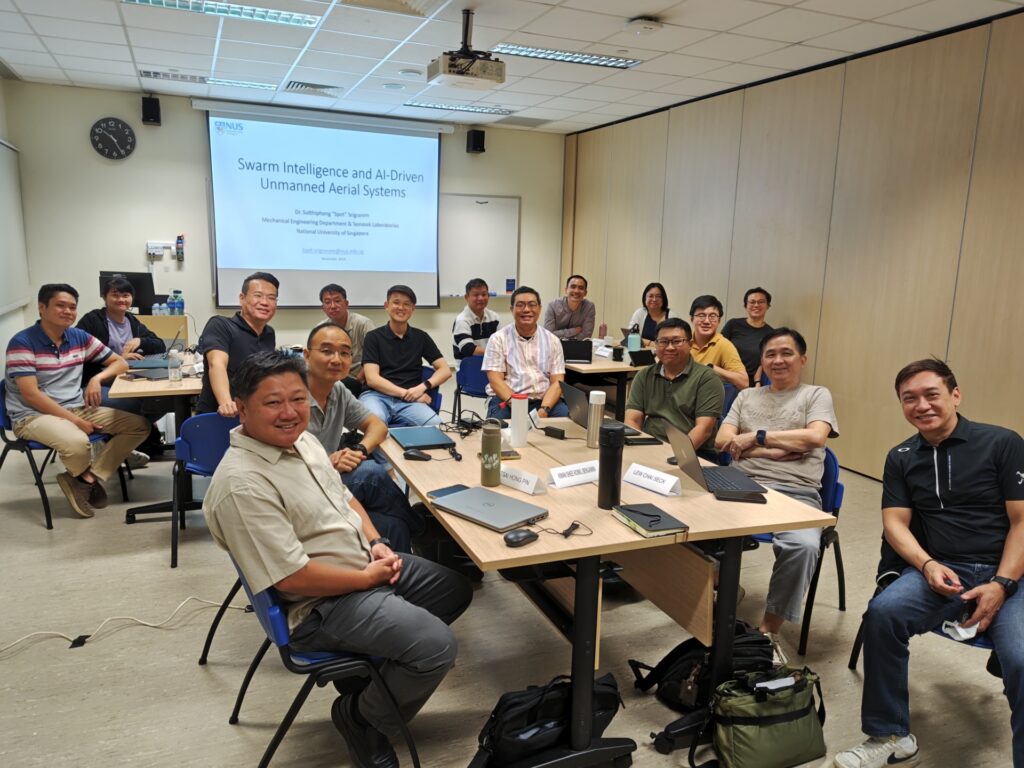
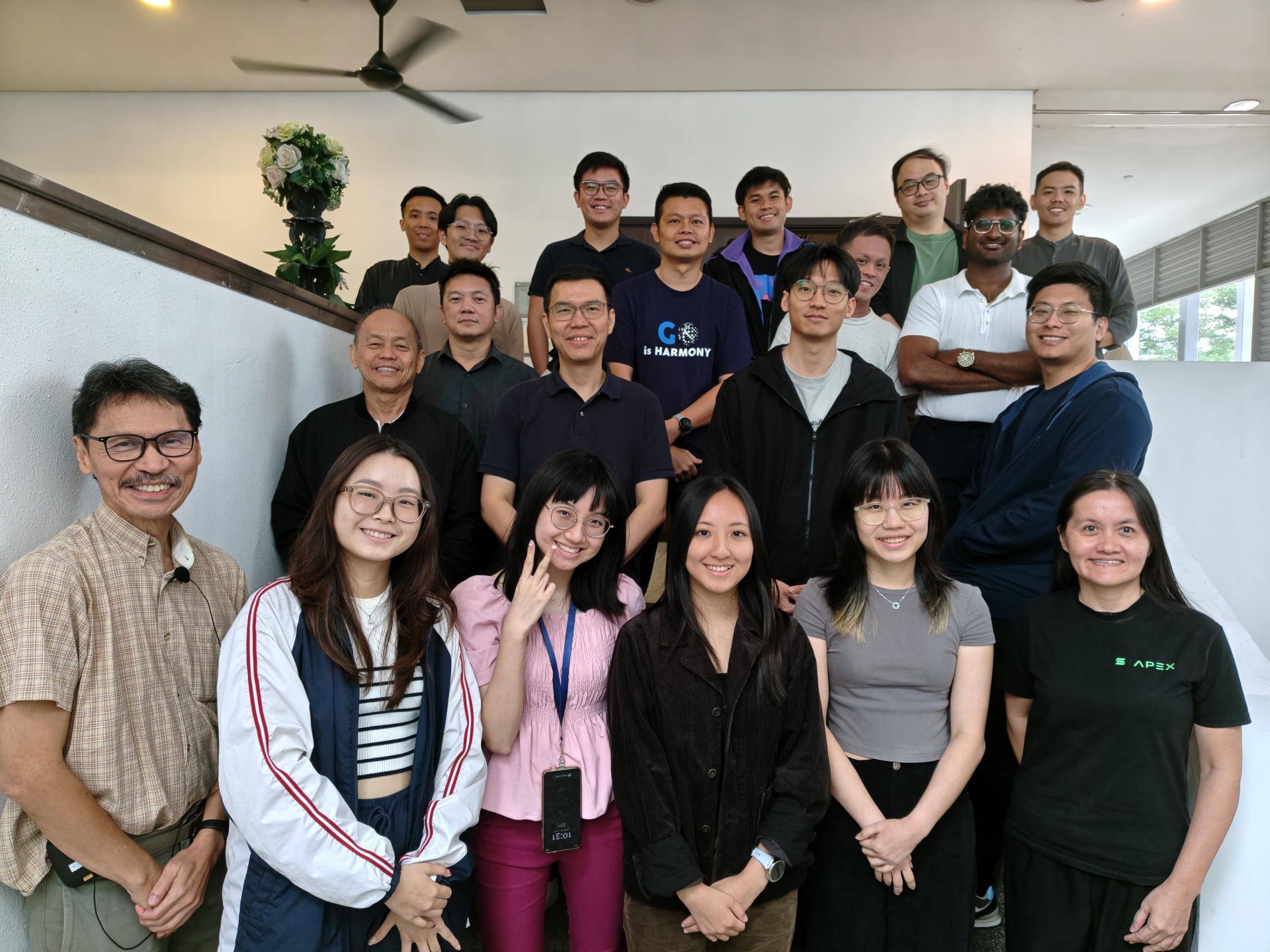
Swarm intelligence has become increasingly important for the defence community to learn as the technology is reshaping how autonomous systems operate in complex and contested environments. It is strategically important for the defence professionals to understand swarm intelligence technology to gain operational advantage, and with technology readiness, to ensure resilience and shape the future of warfare. Swarm intelligence is also a dual-use technology that could be applied from search-and-rescue and disaster response to maritime surveillance, making it essential for multi-domain operations. This 3-day intermediate-level course of TDSI focused on the fundamental and advanced concepts of multi-agent autonomous systems in the context of aerial swarms, specifically on the latest state-of-the art and practical applications. The course also provided a comprehensive overview of robotics and multi-agent systems, swarm formation, communications, task scheduling and allocations, swarm operations, as well as applications for heterogeneous systems and an introduction to game theory.
TDSI’s Executive Course “Autonomous Mobile Robotics: Foundations, Challenges and Opportunities”
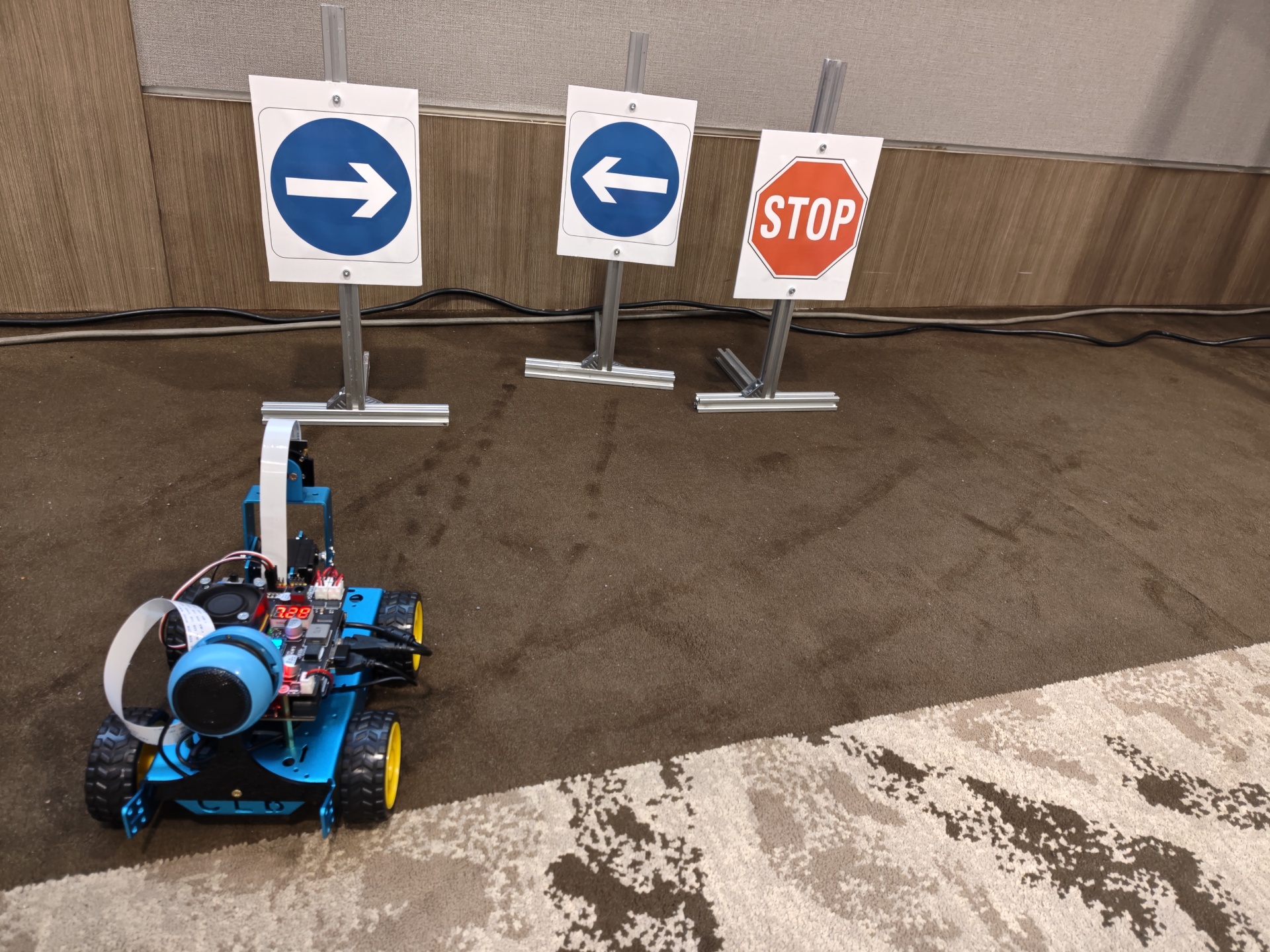
Autonomous mobile robotics is rapidly reshaping how defence and government agencies operate. TDSI’s executive course on “Autonomous Mobile Robotics: Foundations, Challenges and Opportunities” conducted for two runs on 31 March to 2 April and 7 to 9 April 2026 aimed to cover the different technological and foundational aspects of mobile robotics and manipulation, and artificial intelligence towards increased autonomy, including sensing, localization and mapping, navigation, and obstacle avoidance. The latest development of autonomous mobile robotics using artificial intelligence with focus on machine learning was presented alongside challenges and opportunities to showcase the future of robotics and its impact to course participants. The experiential workshop included in the course allowed course participants to experiment building a mini mobile robot with intelligence to apply the knowledge and skillsets learnt from the course, which they could bring it home to continue honing their robotics knowledge post-course. By exploring both current state-of-the-art capabilities and emerging challenges, the course equipped working professionals in both defence and governmental agencies to better evaluate, integrate, and leverage autonomous systems in their roles—positioning them to drive innovation and informed decision-making in an increasingly autonomous future.
Securing AI at Scale:
Attacks, Defences and the Road Ahead
Overview
As artificial intelligence evolves from generative models to autonomous, agentic systems, the nature of risk is fundamentally changing. Traditional concerns such as hallucinations and bias are giving way to systemic risks, including unauthorized actions, data exfiltration, and cascading failures across interconnected systems. This talk provides an overview of the modern AI threat landscape, highlighting emerging risks such as adversarial inputs, data exposure, and unintended actions, and explaining why traditional security approaches are no longer sufficient. It introduces a systems perspective on AI security, where risks span models, data, tools, and downstream environments rather than residing in a single component. The session outlines practical principles for securing AI at scale and concludes by examining key challenges and opportunities as organizations deploy increasingly autonomous systems, and what it takes to build resilient, trustworthy AI in this rapidly evolving landscape.
Learning Outcome
Course Outline
Who Should Attend
Lorem ipsum dolor sit amet, consectetur adipiscing elit. Ut elit tellus, luctus nec ullamcorper mattis, pulvinar dapibus leo.
Speakers

Dr Vrizlynn Thing
Senior Vice President
Head of the Cybersecurity Strategic Technology Centre
ST Engineering
Dr. Vrizlynn Thing is the Senior Vice President and Head of the Cybersecurity Strategic Technology Centre at ST Engineering. A thought leader with over two decades of experience in cybersecurity innovation, policy engagement, ecosystem development and cross-sector partnership, she leads the strategic direction of next-generation cybersecurity portfolio, delivering mission-critical capabilities to secure complex digital ecosystems, especially in the age of AI and Quantum.
Beyond the enterprise, Dr. Thing contributes to National Cybersecurity and AI initiatives, where she helps shape policies, standards, and technology assurance frameworks. She also serves as an Assistant Superintendent of Police (VSC) with the Singapore Police Force, where she applies her digital forensics expertise in support of cybercrime investigations and public safety.
Dr. Thing holds a Ph.D. in Computing from Imperial College London, where she received the Hilfred Chau Postgraduate Award, the Overseas Research Students Award and the Imperial College London Scholarship. She is the recipient of several accolades, such as the Enterprise Singapore Commendation Award, International Conferences and Tech Competitions Awards, and was named amongst the Singapore 100 Women in Tech for her cross-sector impact in advancing secure and trustworthy systems.
Details
- 15 Jul 2026, 2:00 pm - 3:00 pm
- 1 hour
- NUS, Blk EA, #02-11